
A downspout should carry roof runoff away from the building to a location where the site can drain it safely. If the outlet ends at the foundation, points uphill, empties onto a settled walkway, or connects to a blocked underground line, water can collect beside basement or crawlspace walls. The roof may be working perfectly while the discharge causes trouble below.
Start outside during rain. Watch each gutter corner, downspout seam, elbow, extension, and discharge point from the ground. Then inspect the soil after the storm for ponding, erosion, mulch washout, and water paths back toward the house.
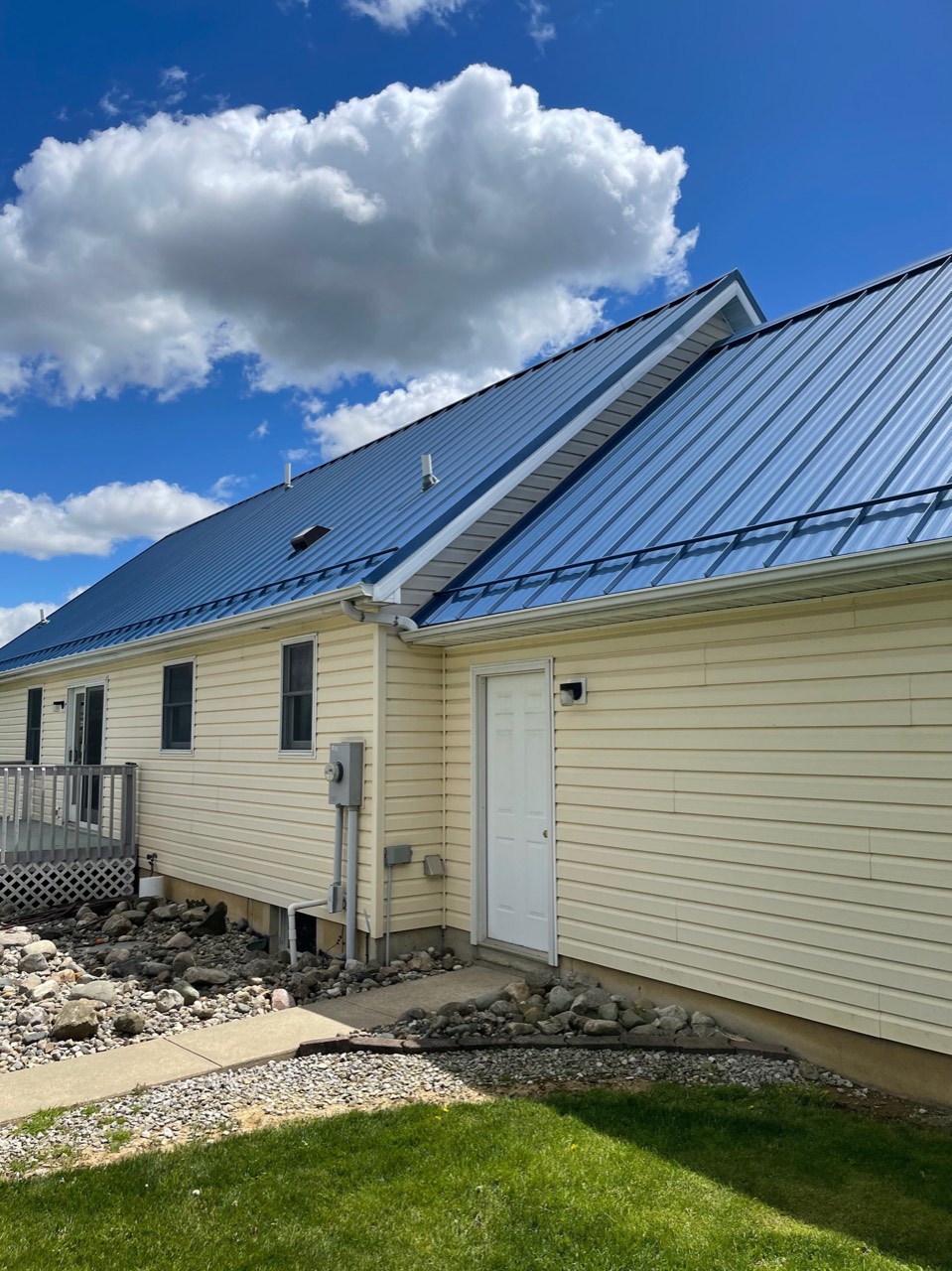
| Symptom | Possible drainage cause | Next check |
|---|---|---|
| Water beside the wall | Short or disconnected extension | Follow the outlet and confirm the final discharge slopes away |
| Gutter overflows above one downspout | Clogged outlet, elbow, or underground line | Disconnect safely and test sections one at a time |
| Mulch or soil washes out | Concentrated discharge without splash or erosion control | Move and spread flow at a stable outlet |
| Basement damp after heavy rain | Foundation-side ponding, grading, cracks, sump, or subsurface drainage issue | Map timing and inspect more than the gutter system |
| Winter ice on a walk | Downspout discharges where runoff refreezes | Redirect to a safe location without creating a new drainage problem |
How Much Roof Feeds Each Downspout
Every outlet serves a roof area. Valleys and upper roofs can concentrate water into one short gutter section. The downspout has to accept that flow, turn through elbows, and discharge without backing up. A small outlet or crushed elbow can become the bottleneck even when the visible downspout looks large.
During rain, note whether overflow begins at the middle, an end, or directly over the outlet. Mid-run overflow can suggest pitch or capacity. Overflow at the outlet suggests a clog or restricted path. Water behind the gutter can also point to edge or flashing details rather than downspout capacity.
Extensions Need a Real Destination
An extension is useful only if it reaches a place that drains away. Laying a short piece on flat soil can move the puddle a little while keeping it in the same foundation zone. Site slope, soil, neighboring property, walkways, buried utilities, and local drainage rules all affect the right destination.
Keep the path visible enough to inspect or provide cleanouts for buried systems. Flexible extensions can crush, disconnect, or hold standing water. Rigid pieces need support and joints that stay together. The outlet should not create erosion or an icy trip hazard.
Underground Drains Can Hide the Clog
A downspout that disappears underground looks tidy, but you cannot see where it ends or whether the pipe is open. Roots, sediment, collapsed sections, frozen water, and disconnected fittings can back water up to the gutter. Staining at the lower downspout seam or water bubbling near the foundation is a clue.
Disconnecting and testing sections can isolate the problem, but do not force high pressure into an unknown pipe near the foundation. A drainage contractor can locate, camera, clean, or replace a failed line. The roof contractor should make sure the gutter outlet itself is clear and sized correctly.
Foundation Moisture Has More Than One Cause
Downspout discharge is a common and visible contributor, but basement moisture can also involve grading, window wells, cracks, footing drains, sump operation, plumbing, condensation, or groundwater. Fix obvious roof runoff first, then watch whether the timing and location of moisture change.
A roofer should not promise that a downspout extension will cure every basement problem. A foundation contractor should not ignore roof water pouring against the wall. The useful approach follows the water from roof to final discharge and documents other entry paths that remain.
How to Trace Downspout Drainage
- Map the roof areas Identify which slopes, valleys, and upper roofs feed each gutter and outlet.
- Observe a rain event Watch for overflow, leaking seams, backup, crushed elbows, and water behind the gutter.
- Follow every downspout Trace elbows, extensions, underground connections, and the visible final outlet.
- Inspect the ground Look for ponding, erosion, settlement, mulch washout, and slope back toward the foundation.
- Correct the bottleneck Clear or repair the restricted section and direct flow to a stable, lawful drainage point.
- Recheck after weather Confirm the change works during real rain and does not create ice or erosion elsewhere.
Choose the Next Drainage Fix
- Clear the outlet first. A clean extension cannot help if the gutter opening or first elbow is blocked.
- Correct gutter pitch and support. Standing water and loose hangers can keep runoff from reaching the downspout.
- Move discharge to positive slope. Choose a destination where water continues away instead of circling back.
- Protect the outlet area. Prevent erosion, trip hazards, icing, and discharge onto neighboring property.
- Escalate hidden problems. Locate underground restrictions or broader foundation issues when the visible path is not the full cause.
What Changes in Fort Wayne and Northeast Indiana
Fort Wayne clay-heavy soils and freeze-thaw movement can leave low areas beside older foundations and settled walks. A discharge point that worked years ago may now pitch back toward the wall. Inspect after snowmelt as well as summer rain.
Fall leaves and roof grit collect at elbows. Winter water can freeze inside low or crushed extensions. Spring storms then hit a path that never reopened. Seasonal checks should include the final outlet, not only the gutter trough.
What the Inspection Should Show
For downspout and foundation drainage, a useful report should locate and photograph the conditions that affect the decision instead of offering only a repair-or-replace conclusion.
- roof area per outlet
- gutter pitch
- outlet and elbow restrictions
- extension condition
- underground connections
- final discharge
- grading and erosion
Mistakes That Make the Problem Harder
- Do not end a downspout beside the foundation and call the job complete.
- Do not bury a drain without a known outlet or service access.
- Do not discharge onto a walkway where winter refreezing creates a hazard.
- Do not promise one extension will solve unrelated foundation or groundwater problems.
Frequently Asked Questions
How far should a downspout extend from the house?
There is no single distance that works on every lot. It should reach a point with positive drainage away from the foundation without causing erosion, icing, or a problem for neighboring property.
Why does my downspout back up only in heavy rain?
The outlet, elbow, underground line, or gutter capacity may handle light flow but restrict concentrated runoff. Valleys and upper roofs can make one location fail first.
Are underground downspout drains a good idea?
They can keep water controlled and paths clear when correctly designed with a known outlet and service access. Hidden clogs, collapse, roots, and freezing make inspection more important.
Can gutters cause basement water?
Roof runoff placed beside a foundation can contribute to moisture, but it is not the only cause. Correct obvious drainage and evaluate grading, cracks, sump, window wells, and subsurface conditions if water continues.
Need a Straight Answer About Your Roof?
Request a free 21-point inspection focused on downspout and foundation drainage. Big Dog Roofing will document roof area per outlet, gutter pitch, outlet and elbow restrictions and explain the practical next step.
Related Articles and Services
Homeowners replacing a roof can coordinate the full system with our roof-and-gutter sequencing guide.