
An open valley leaves a visible metal channel between roof planes. A closed valley covers the center with shingles, using a cut or woven pattern. The better choice depends on roof geometry, shingle instructions, expected water and debris, appearance, and installer skill. The detail under the surface matters more than the name.
Valleys carry more water than the field of the roof, so small errors show up quickly. A nail too close to the center, a cut corner that directs water sideways, or debris that holds moisture can create a leak far below the visible defect.
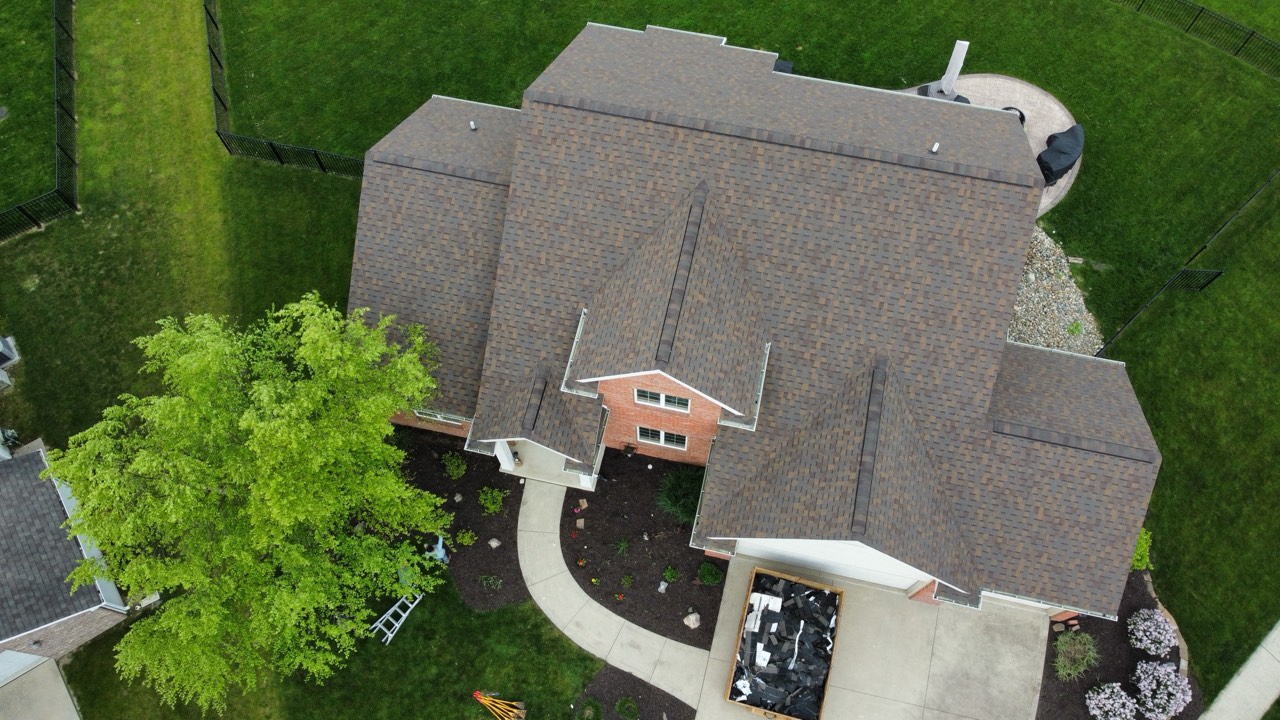
| Valley type | Strength | Common weakness | Good fit |
|---|---|---|---|
| Open metal | Clear, durable water path that is easy to inspect | Scratched coating, poor laps, exposed fasteners, or debris at edges | Long valleys, heavy flow, complex roofs, or a deliberate metal look |
| Closed cut | Clean shingle appearance with one plane cut along the valley | Poor cut line, clipped corners, fasteners too close, or water crossing the cut | Compatible laminated shingles and a contractor skilled in the method |
| Woven | Interlaced courses with no exposed metal | Bulk, bridging, cracking, and product compatibility limits | Specific shingle types and roof geometry when instructions allow it |
| Repaired surface patch | Fast temporary control in limited cases | Can trap water and hide a failed underlayment or flashing detail | Not a substitute for rebuilding a failed valley assembly |
How an Open Metal Valley Works
The roof planes drain onto a metal lining that remains exposed at the center. Shingles stop back from the channel, and their cut edges direct water onto the metal. The metal, underlying membrane, laps, and end details must move water all the way to the eave without an open seam or fastener in the main flow path.
Open valleys make inspection easier because the channel is visible. Leaves and needles can still collect along shingle edges. Foot traffic, tools, and sliding ice can scratch or deform softer metal. Coated metal needs compatible materials and careful cuts so runoff does not reach raw edges or sideways gaps.
How a Closed-Cut Valley Works
One roof plane runs through the valley. Shingles from the crossing plane are cut along a controlled line. The installer clips upper corners and keeps fasteners out of the center zone so water does not catch the cut edge or find a nail hole. Underlayment and an ice barrier below provide backup protection.
A closed valley can look clean, but the shingle cut hides more of the drainage surface. A wavy line, short shingle, sealant-dependent corner, or nail near the center deserves attention. Thick laminated shingles can build up if the chosen technique does not match the product instructions.
Where Valley Leaks Actually Start
Valley leaks often start above the ceiling stain. Debris slows flow. Fasteners penetrate the channel. A shingle corner directs water sideways. An upper valley empties into a wall or lower roof without a proper transition. Old repairs create a dam. During winter, snow packs the channel and meltwater finds weaknesses under the shingle edges.
Look for staining along the valley line in the attic, especially at deck seams and fasteners. On the exterior, inspect from a safe position for debris, open cuts, cracked shingles, displaced metal, rust, or old roof cement. Do not pry at the valley because brittle shingles can break.
Repair or Rebuild the Valley
A small isolated defect may be repairable if the surrounding shingles remain flexible and the underlayment is sound. A chronic leak, widespread patching, soft decking, failing metal, or several bad cuts usually calls for opening the valley and rebuilding it. That work requires removing shingles far enough back to restore proper laps.
The estimate should state whether the valley will be open, closed cut, or woven; what membrane sits below; which metal is used if exposed; how adjacent shingles are replaced; and how the lower termination is handled. A line that says only 'repair valley' is not enough for comparison.
How to Choose a Valley Detail
- Check the shingle instructions. The selected product may allow, discourage, or require a particular valley method.
- Study the roof geometry. Length, slope, intersecting planes, walls, and upper roof discharge change water volume.
- Consider debris and snow. Trees and drift patterns affect how easily the channel stays clear.
- Specify the hidden layer. Membrane, underlayment laps, decking, and fastener zones belong in the scope.
- Inspect the termination. The valley must discharge cleanly into the gutter or lower roof without a sideways opening.
What Changes in Fort Wayne and Northeast Indiana
Fort Wayne valleys see thunderstorms, leaf debris, snow packing, and repeated freezing. A north-facing valley may hold snow longer than the surrounding planes. A valley below a taller wall can collect drifting snow and extra roof discharge. Those site conditions matter more than a blanket claim that one valley style is always superior.
Older roofs may show several repair generations in one valley. If the surface has layers of cement, exposed fabric, or short metal patches, ask what sits below. Rebuilding one concentrated drainage path can be more durable than adding another coating over unknown laps.
What the Inspection Should Show
For open and closed roof valleys, a useful report should locate and photograph the conditions that affect the decision instead of offering only a repair-or-replace conclusion.
- valley geometry
- shingle cut or weave
- metal condition
- fastener placement
- debris
- attic staining
- lower termination
Mistakes That Make the Problem Harder
- Do not drive exposed fasteners through the center water path.
- Do not rely on roof cement as the primary valley system.
- Do not install a valley method the shingle instructions reject.
- Do not clean a steep valley by walking down the channel.
Frequently Asked Questions
Are open metal valleys better in snow?
They provide a visible, durable channel, but snow performance still depends on slope, metal, detailing, and drift conditions. A poorly installed open valley can leak just like a poor closed valley.
Why is there a metal strip showing in my roof valley?
That is likely an open valley. The exposed metal is the intended drainage surface, not necessarily a missing shingle area.
Can a leaking valley be sealed without removing shingles?
A minor surface defect may allow a limited repair, but recurring leaks or hidden membrane problems usually require opening the valley far enough to rebuild proper laps.
Should both valleys on my roof match?
They often do for appearance and consistency, but roof geometry or a later addition can justify different details. Each valley still has to follow the material instructions and drain correctly.
Need a Straight Answer About Your Roof?
Request a free 21-point inspection focused on open and closed roof valleys. Big Dog Roofing will document valley geometry, shingle cut or weave, metal condition and explain the practical next step.
Related Articles and Services